Ingin Kuliah di Indonesia? Ini Panduan Lengkap Cara Mendaftar untuk Mahasiswa Asing di UNISMA Malang
Ringkasan:
Pendaftaran mahasiswa asing di Universitas Islam Malang (UNISMA) dapat dilakukan secara online dengan melengkapi dokumen akademik dan paspor melalui portal resmi International Office. Setelah berkas terverifikasi, calon mahasiswa akan mengikuti seleksi wawancara online dan menerima Letter of Acceptance (LoA) untuk melanjutkan proses pengurusan visa pelajar.
Tertarik melanjutkan studi ke luar negeri dengan suasana akademik yang ramah, multikultural, dan berbasis nilai Islam moderat? Universitas Islam Malang (UNISMA) menjadi salah satu destinasi favorit bagi pelajar internasional dari berbagai belahan dunia. Namun, bagi pemula, proses administrasi lintas negara sering kali tampak membingungkan. Padahal, jika Anda tahu jalur dan persiapannya, mendaftar ke kampus ini sangatlah terstruktur.
Simak panduan lengkap dan langkah-langkah praktisnya di bawah ini!
Syarat Dokumen yang Harus Disiapkan
Jawaban Singkat:
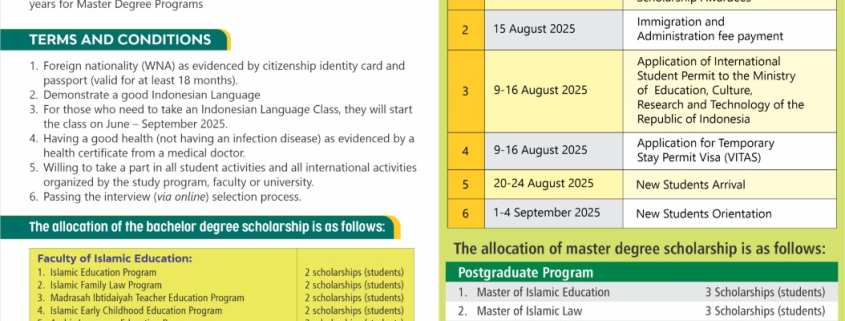
Calon mahasiswa asing wajib menyiapkan paspor yang masih berlaku minimal 18 bulan, ijazah serta transkrip nilai yang telah diterjemahkan ke dalam bahasa Inggris atau Indonesia, surat motivasi (Statement of Purpose), surat keterangan sehat, serta pasfoto berwarna.
Untuk memulai langkah awal, kelengkapan berkas administratif adalah kunci utama agar pendaftaran Anda tidak tertunda.
Dokumen Akademik dan Identitas Diri
- Paspor yang Masih Berlaku: Pastikan masa berlaku paspor Anda minimal 18 bulan ke depan sejak tanggal pendaftaran.
- Ijazah dan Transkrip Nilai: Dokumen jenjang pendidikan sebelumnya (SMA untuk program Sarjana, atau S1/S2 untuk program pascasarjana) wajib dilampirkan dan diterjemahkan secara resmi ke dalam bahasa Inggris atau bahasa Indonesia.
- Pasfoto Terbaru: File foto berukuran 4×6 cm dengan latar belakang merah sesuai standar dokumen resmi universitas.
Dokumen Pendukung Lainnya
- Surat Motivasi (Statement of Purpose): Esai sepanjang 500–1000 kata yang menjelaskan alasan Anda memilih UNISMA, program studi incaran, serta rencana studi Anda.
- Surat Keterangan Sehat: Bukti bahwa Anda bebas dari penyakit menular yang dikeluarkan oleh rumah sakit atau instansi medis terakreditasi.
- Sertifikat Kemampuan Bahasa: Lampirkan sertifikat bahasa Inggris (TOEFL/IELTS) jika tersedia, karena beberapa kelas atau program tertentu mensyaratkannya. Bagi program reguler, UNISMA juga menyediakan program Bahasa Indonesia bagi Penutur Asing (BIPA).
Langkah-Langkah Pendaftaran Online Mahasiswa Asing
Jawaban Singkat: Pendaftaran dilakukan secara mandiri melalui pengiriman dokumen via email resmi International Office UNISMA (admission@unisma.ac.id), dilanjutkan dengan seleksi wawancara secara online tanpa harus langsung datang ke Indonesia.
Proses pendaftaran dirancang transparan dan ramah digital agar mudah diakses oleh pendaftar dari berbagai negara.
Langkah 1: Memilih Program Studi dan Mempersiapkan Berkas
Pilih program studi yang sesuai dengan minat Anda di situs resmi kampus. Pastikan seluruh dokumen yang telah disebutkan di atas sudah dipindai (scan) dalam format digital yang jelas.
Langkah 2: Pengiriman Dokumen Melalui Email
Kirimkan seluruh berkas persyaratan lengkap Anda ke alamat email resmi penerimaan mahasiswa internasional di admission@unisma.ac.id. Tim International Office akan melakukan verifikasi awal terhadap keabsahan berkas Anda.
Langkah 3: Mengikuti Seleksi Wawancara Online
Jika lolos seleksi administratif, Anda akan dihubungi untuk mengikuti sesi wawancara yang dilakukan secara online (melalui platform virtual seperti Zoom atau Skype). Setelah lulus, Anda akan menerima Letter of Acceptance (LoA) resmi dari universitas.
Berapa Biaya Kuliah untuk Mahasiswa Internasional di UNISMA Malang?
Jawaban Singkat: Biaya kuliah (Tuition Fees) bagi mahasiswa internasional bervariasi tergantung pada program studi yang dipilih, dengan kisaran rata-rata mulai dari USD 700 hingga USD 3.500 per tahun, di mana Fakultas Kedokteran memiliki struktur biaya tersendiri.
Biaya pendidikan di UNISMA dikenal sangat kompetitif dibandingkan universitas lain di kawasan Asia Tenggara. Berdasarkan panduan resmi universitas, biaya kuliah per tahun untuk program Sarjana (S1) berkisar antara USD 700 hingga USD 1.300 untuk program non-kedokteran, sementara program pascasarjana (S2 dan S3) berkisar antara USD 1.000 hingga USD 2.500 per tahun.
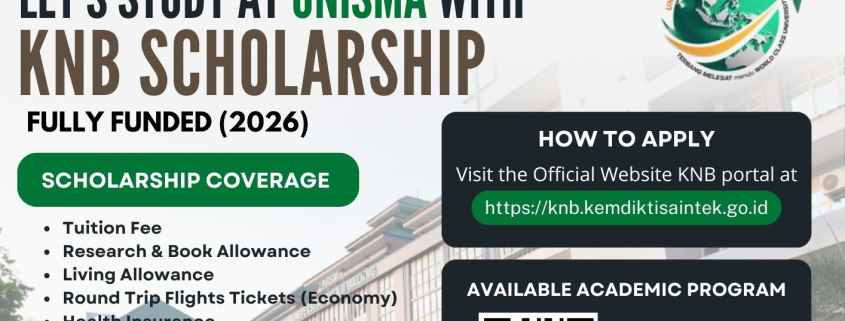
Bagi Anda yang membutuhkan keringanan, UNISMA secara berkala juga membuka jalur beasiswa khusus seperti UNISMA Merit Scholarship atau KNB Scholarship yang menanggung biaya kuliah penuh (full tuition fee coverage).
Kapan Jadwal Pendaftaran Jalur Internasional Dibuka?
Jawaban Singkat: Pendaftaran mahasiswa internasional biasanya dibuka dalam dua gelombang utama setiap tahunnya, yaitu batas akhir 1 Juni untuk perkuliahan semester ganjil yang dimulai pada bulan September, dan 1 Desember untuk semester genap yang dimulai pada bulan Maret.
Agar tidak tertinggal tenggat waktu penting, Anda disarankan untuk mempersiapkan dokumen setidaknya dua hingga tiga bulan sebelum tanggal penutupan. Catat kalender akademik ini agar persiapan visa dan keberangkatan Anda ke Kota Malang berjalan mulus tanpa terburu-buru.
Bagaimana Prosedur Mengurus Visa Pelajar untuk Kuliah di UNISMA?
Jawaban Singkat: Setelah mendapatkan Letter of Acceptance (LoA), tim International Office (OIA) UNISMA akan membantu menerbitkan Surat Izin Belajar dari kementerian terkait, yang kemudian digunakan mahasiswa untuk mengajukan e-Visa Tinggal Terbatas (VITAS) pelajar secara online.
Urusan birokrasi imigrasi sering kali menjadi momok bagi pelajar asing. Namun, Anda tidak perlu khawatir karena pendampingan penuh disediakan oleh pihak kampus.
Penerbitan Surat Izin Belajar (SIB)
International Office (OIA) UNISMA akan membantu Anda memproses Surat Izin Belajar dari kementerian pendidikan di Indonesia sebagai syarat legalitas mutlak bagi warga negara asing yang ingin menempuh pendidikan tinggi.
Pengajuan e-Visa dan Permohonan KITAS
Setelah Surat Izin Belajar (SIB) terbit, Anda dapat mengajukan visa pelajar melalui situs resmi Imigrasi Indonesia secara online. Setibanya Anda di Indonesia, pihak kampus akan membantu proses lanjutan konversi visa menjadi Kartu Izin Tinggal Terbatas (KITAS) pelajar.
Mulai Langkah Studi Internasional Anda Sekarang!
Mewujudkan impian studi di luar negeri kini semakin mudah dengan sistem pendaftaran yang transparan dan dukungan penuh dari universitas. Jangan ragu untuk mencari informasi lebih lanjut melalui kanal resmi kampus.
Sumber Informasi & Dokumentasi Resmi yang Bisa Diakses:
- Website Resmi International Office: KUI UNISMA
- Kontak Resmi Admisi: Kirimkan pertanyaan via email ke admission@unisma.ac.id atau hubungi layanan bantuan langsung melalui situs resmi International Office UNISMA di Jl. Mayjend Haryono 193, Malang, Jawa Timur, Indonesia.
- Contact Person +6285230665099 (Shaiful Sulaiman, S.Pd.)